“Fly me to the moon, let me play among the stars and let me see what spring is like on Jupiter and Mars,” as Sinatra crooned.
One spring two decades ago we flew into what seemed like another planet – Las Vegas. We stayed on the Strip at The Mirage Hotel and Casino, whose major selling points were a daily erupting ‘Volcano’ and a ‘Secret Garden’, where we bonded with resident dolphins. Further highlights included renewing our vows at an Elvis wedding chapel (pink Cadillac, dry ice and a singalong with the King) and dinner at the place to be, Piero’s, which featured in Martin Scorsese’s Casino.
That mobster classic is celebrating its 30th anniversary. So many of its locations in the city have since bitten the dust, as has The Mirage, site for a new Hard Rock Hotel. The dolphin attraction had closed in 2022 after four had gone belly-up inside 10 months.
Meeting a Mirage dolphinPutting on a show with Elvis
Through all this shape-shifting across Sin City Piero’s Italian Cuisine has survived, though its signature osso buco, fave of regular Frank Sinatra, hasn’t. You will find this braised veal shank on the bone, though, on the menu at Manchester’s Louis, a homage to vintage American-Italian cuisine, soundtracked naturally by ‘Ol Blue Eyes’, Dean Martin and their ilk.
OK, the Spinningfields business district outside lacks the pizazz of Vegas, but it’s also free of the gangsters who frequented ‘The Leaning Tower’, Piero’s rebrand for Casino. Mirroring the restaurant’s own checkered associations (and I don’t mean the table cloths).
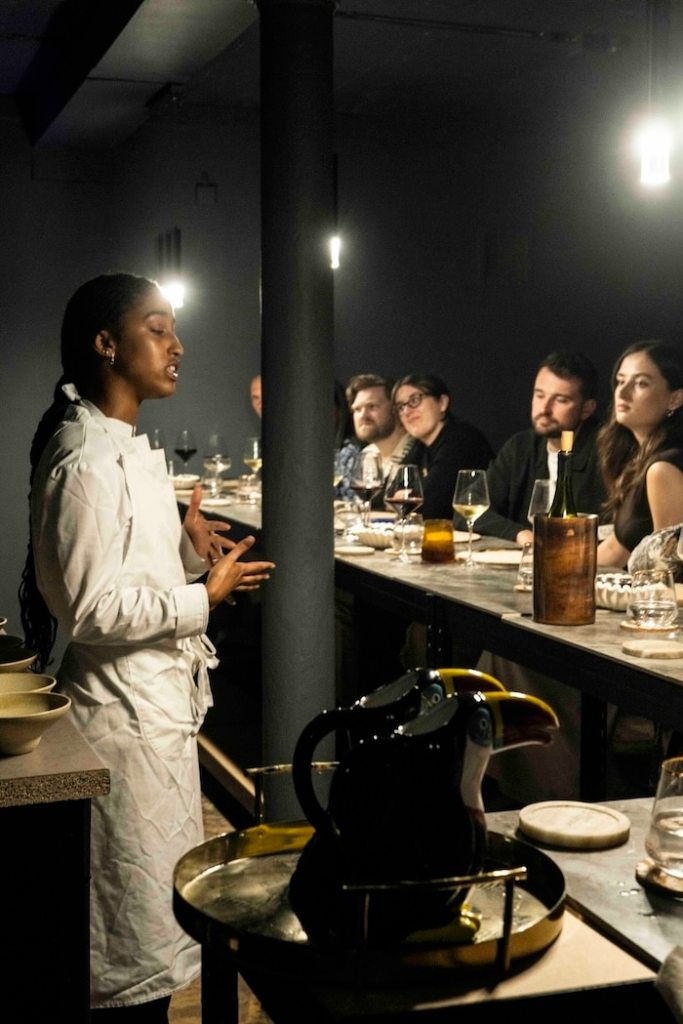
In contrast to owner Nicky Santoro (Joe Pesci) taking goreish exception to one customer in The Leaning Tower, our real life Thursday evening at Louis was an absolutely joyous celebration of a fantasy fifties America. And like the Permanently Unique group’s other recent project, Fenix, the place was mobbed (sic) by 7.30pm.
Sharon Stone and De Niro in CasinoToday’s Piero’s (much refurbed)
New York, not Las Vegas, is the prime inspiration. Ippokratis Anagnostelis, exec chef behind the Fenix’s Mykonos-inspired modern Greek cuisine, travelled there with co-founder Drew Jones to find restaurant role models… but Scorsese movies such as Casino and Goodfellas are undoubtedly a key influence on Louis, too.
Drew has admitted this: “Obviously there’s a dark side to those films, but take that away and the environment, the glamour, the clubs, the bars, they’re extremely luxurious.” As is Louis, a destination where folk are encourage to don their glad rags and wallow in the live music as part of the experience. Surely Robert De Niro, star of both films, would approve, as a serial restaurateur in more recent times?
Swish interior of LouisIts signature osso buco
So does the cuisine here live up to the hype? The offering is far more exciting than the routine high street Italian served up at Carluccio’s, previous occupant of the unit. We were there by invitation to road test the new summer dishes, so I had to resist Osso Buco Revisited. Reminding myself it is, of course, a sharing dish.
Another change since our last visit – they are now allowing customers to photograph their experience. From the launch onwards on arrival punters were obliged to apply ‘fedora’ stickers to their phone for the duration. Removing mine afterwards ripped a chunk of leather off my case. Second visit, replacement purchased, I declined, still promising to obey their privacy edict.
This time round then gave me the chance to capture the beauty of the dishes served. Stand-outs were our starters. An egg yolk, tide of parmesan foam and a fin of crisp topping a spiced steak tartare on a sheet of lasagne (£24) sounds an odd combo but it tasted sublime. Ditto a substantial, gloriously glazed portion of sticky bourbon short rib with equally sticky mushrooms and curly crisps, this time of sweet potato (£22).
Sommelier Pasquale Moschettieri was busy wheeling around the Champagne trolley, the bubbly served in old school coupe glasses, of course. But the true vinous treasures lay in his wine sanctuary just behind us. Oh, the temptation. Serendipitously we had ordered a Nerello Mascalese from his native Sicily, so we became instant buddies. A classic volcanic red from the northern flank of Etna, velvety yet taut. A higher budget for your wine pairing? This is one Palermo boy’s offers you’d be mad to refuse.
Our mains were essentially superior comfort food. Classic Italian filtered through a North American emigre sensibility in a generous contemporary UK take. I had handmade cavatelli pasta smothered in a slow-seethed duck ragu (£30). Across the table Pollo alla Calabrese (50p cheaper) matched chicken breast with a sausage sauce on a bed of polenta. Satisfying both, but neither is likely to supplant in my affections dishes that remain on the menu such as rigatoni with vodka and tomato or the New York, USDA grade strip steak.
To close, we also shared exemplary chocolate tart and baked New York cheesecake (what else?) with shots of rather sumptuous house-made limoncello.
How did it compare with a very distant memory of Piero’s? This 2025 meal experience was surely superior. I suspect that moody downtown Vegas joint might have been resting on its celebrity laurels. In contrast, laid-back Louis has got me “under its skin”.
• As I finish this review/reminiscence I discover that after 43 years in existence Piero’s has just been sold to a new corporate owner with a bagel and doughnut empire. This shock move is in the wake of a violent squabble between Piero’s founder Freddie Glusman and his son Evan over substantial missing funds. It had to be in the script.
https://i0.wp.com/www.neilsowerby.co.uk/wp-content/uploads/2025/08/louis-main.jpg?fit=2016%2C1512&ssl=115122016Neil Sowerbyhttps://www.neilsowerby.co.uk/wp-content/uploads/2022/11/NS-typemark-v1c.pngNeil Sowerby2025-08-04 15:16:312025-08-21 16:02:58Viva Louis Vegas! American-Italian comfort food it’d be a crime to miss
As a hardened traveller there’s nothing I like better than a detour. On a recent road trip around West Cork I couldn’t resist motoring a few miles off-piste to check out eerie Coppinger Court, a ruin almost since it was built in Tudor times. Let’s call such a diversion ‘The Single Track Road Quest of the Tractor Perilous’.
Down in Herefordshire the roads to the (unruined) St John at Shobdon were an easier prospect. Six miles north west of Leominster we turned left at at sleepy Mortimer’s Cross, in 1491 site of a particularly bloody Roses battle, won by the Yorkists. Quite soon we were driving down an avenue of limes to what from the outside looked the plainest of country churches.
Rococo bling of St John’s ShobdonBlack and white frontage of the Riverside
Inside, though, you’ll discover England’s most complete rococo ecclesiastical experience, fashioned by one of the architects of Horace Walpole’s Strawberry Hill around 1800. White wedding cake meets Countess’s boudoir. Simon Jenkins in his England’s 1,000 Best Churches gives it 4 stars. We loved it, too.
But not as much as we loved our evening’s destination, The Riverside, 15 miles up the Lugg valley at Aymestrey. It’s a 16th century sheep drovers’ inn set in a river loop, its hillside veg terraces steepling into wooded hills, for all the world like some English equivalent of the Dordogne. And the food self-taught chef/patron Andy Link is turning out is deeply rooted in his own Herefordshire terroir.
We dined on local snails, faggots, rare breed Hereford beef, a sweet cicely parfait, finishing with nettle cake with lemon and thyme syrup, matched with ice cider. All this and it still felt like a proper pub where you could prop up the bar with a pint of Wye Valley Brewery’s Butty Bach.
You can understand how in 2002 it was voted Great British Pub Awards ‘Best Sustainable Pub’. Andy took us up to their organic growing plots, hewn out of the hillside during lockdown by himself and manager George Parkes. Between here and the half-timbered pub proper is the row of three quirky timber lodges, in one of which, Beechenbrook, we stayed, relishing the combination of under-stated luxury, such as underfloor heating, and rustic seclusion.
The main buildings house further, more traditional (and dog-friendly) bedrooms. The bar areas are solidly cosy with garlands of hops and a wood-burner. There’s a wealth of walks all around. We chose along the river, promised the possibility of otters and kingfishers. Alas, no sightings. As a base the location is brilliant, foodie Ludlow 10miles to the north, Hereford 20 miles to the south … and a wealth of traditional cider producers to visit.
The apple of our eye in the midst of the Mappa Mundi
It seems fitting to begin our Cider Pilgrimage in the heart of Hereford Cathedral. Let’s call it a windfall moment as we strain to decipher a medieval Christian world view drawn across a stretched sheet of calf skin… and discover apples. So apt in a county of orchards.
The Mappa MundiThe Gangenes Tree
This is the Mappa Mundi, created around 1300 by one Richard Oldingham. It is the only complete world map of its time to have survived and its 1.59 x 1.34m canvas is teeming with illustrated wonders representing geography and history, hell, heaven and the path to salvation. Quite disorienting. Nothing is in our ‘right’ order. Jerusalem is at the centre, the British Isles in the bottom left hand corner and at the top is the East – home to Eden and expected site of Christ’s second coming. Hereabouts, in ‘India’, are sketched two robed figures attending to an apple tree, one shaking a bough with a stick, the other sniffing and gathering fruit. Are they harvesting?
These are the Gangenes, described on the Mappa as a people who lived near the River Ganges and survived only on the scent of apples. Indeed, so the myth goes, should they smell anything offensive they immediately perish. Would that include Strongbow, one of those commercial ciders that have devalued a great traditional tipple?
A traditional orchard. Image: Fred Friggens
In search of cider with the artisan masters
We are in Herefordshire in search of the real deal. If the immaculately mounted Mappa Mundi takes our breath away, so too do the remarkable craft ciders and perries we encounter in their heartland. Sorry, Somerset.
The likes of Oliver’s, Littler Pomona, Ross-on-Wye, Gregg’s Pit, Artistraw and Newton Court are all small producer standard bearers, well worth a visit. There’s a true local pride in their achievements. The tourist board even promote Herefordshire Cider Circuits, recommending orchards along three cycling routes. Our visits are by car and we are circumspect sippers with narrow lanes to negotiate.
Just to stand in an orchard is to feel at one with nature and a unique heritage. All a bit farm gate yet, but cider tourism is taking off. Ross have their own on-site pub, the Yew Tree, while Newton Court have launched a purpose-built visitor centre, featuring a restaurant, cafe, farm shop and tour hub. This bright, airy space is a major investment for the Stephens family, who have run this 157 acre regenerative farm since 1991. I’d recommend ordering the locally sourced pork, apple and leek pie and sharing a bottle of Panting Partridge, their flagship perry (aka ‘pear cider’), or their acclaimed sparkling cider, Black Mountain.
After which joining one of their cider tours might be hard to resist. We wandered into the organic orchards with Paul Stephens, who took over the day-to-day running of Newton Court from his father Tom. Sheep graze among the pear trees, while he tells us of the impact on perry’s taste of terroir and individual pear varieties – with delightful names such as Flakey Bark, Betty Prosser, Hendre Huffcap, Butt and Thorn. He also raises the perils of fireblight, a bacteria that can wipe out trees that have taken decades to mature. Sudden attacks, no known protection.
Tom Oliver imparts his apple-driven wisdomPomona’s tasting room with a view
The same grim prognosis is repeated seven miles away at Oliver’s Cider and Perry, near the delightfully bucolic sounding hamlet of Ocle Pychard. Here we are granted an audience with ‘cider royalty’ Tom Oliver, not that you’d guess his global renown from the rustic surroundings and his understated manner. This man is a legend across the United States. Not in his long-running role as tour manager/sound engineer for The Proclaimers but as an ambassador for cider and perry, a mentor for so many aspiring cider makers. Nearing retirement age, he shows no sign of slowing down.
His is a working farm, the shop only open for three hours on Saturdays, but what a wealth of options to buy. Inside the former hop barn that is now his barrel store he treats us to one of his treasures. 20 years ago a single Coppy pear tree remained on the planet, tracked down in a remote spot by Oliver. Grafts have created young siblings but they are under threatened from the dreaded fireblight. So when we taste a work in progress sample of single varietal Coppy, a sherberty work in progress, from the ancient tree that produced barely half a barrel last harvest, we are tapping into something fragile and magical.
Another amazing cider destination In the rolling hills beyond Bromsyard is cutting edge Little Pomona. It was set up by James Forbes and his wife Susanna, who sadly died last September after a long cancer battle.
Hops, cherries and quince are all incorporated into ciders that push the boundaries. If you’re biking or ensuring you drive responsibly try their Hard Rain Hot Pink. Just 3.4ABV, it’s a ciderkin, made from the second pressing of apples with the addition of water, hops and blackcurrant. Check ahead for opening times.
The Herefordshire PomonaThe Cathedral’s Chained Library
Hereford Cathedral – an intimate voyage of discovery
Pomona was the Roman goddess of fruitful abundance, with gardens and orchards in her remit. The 18th century diarist and gardener John Evelyn published an appendix to his great book on trees under that name – “concerning fruit-trees in relation to cider the making and several ways of ordering it.” 150 years later The Herefordshire Pomona was one of the first attempts to fully catalogue the existing varieties of English fruit. Many of the apples and pears illustrated can be found precariously today.
There’s a rare copy in the Chained Library of Hereford Cathedral, the largest such library left in the world, containing some 1,500 books, dating from around the year 800 to the early 19th century, including 227 medieval manuscripts. In the early 17th century, when the bookcases you see today were made, chained libraries were commonplace, protecting the precious word. It is a fitting lead-up to the Mappa Mundi (adults £7.50) in its special annexe, but the surprisingly intimate Cathedral is packed with other delights.
A more whimsical fixture is the ‘extra leg’ of the 14th century knight Sir Richard Pembridge (died 1375), a veteran of the battles of Crecy and Poitiers. When his alabaster tomb was constructed, the effigy correctly showed him wearing the Garter insignia only on his left leg. The right leg was damaged during the Civil War. A replacement wooden leg wrongly included a garter, so a new alabaster leg, without a garter, was commissioned in the 19th century. The wooden leg has since been reunited with his tomb thanks to a benefactor.
Downtown– what lies beyond the Mappa Mundi?
IF you can’t get out to the orchard hinterland there are great places in Hereford city to sample. Our favourite is undoubtedly The Hereford Beer House. We went in search of a West Coast IPA but there was a choice of four ciders in tap, including Oliver and Little Pomona, and a general feel of cider country bonhomie.
You can buy a goodly selection of bottles to take away at the Museum of Cider, just across the river in Pomona Place (what else?). A Trust took over the former Bulmer’s cider factory and it opened in 1981. The family portraits remain in the old boardroom but it’s the ‘champagne’ cellars dating back to 1889 that evoke the legacy. Descend and you’ll find the racks where employees turned the heavy bottles of sparkling cider – what the French call degorgement.
The Museum’s beam pressSmocks were essential orchard wear
On the main floor you can trace the worldwide history of cider. There’s a 300-year-old French Beam Press and a collection of watercolours depicting the different types of apples and pears, but the star attraction is a rare collection of English lead crystal cider glasses dating from 1730, when cider went head to head with wine as the toffs’ drink of choice.
An inspiration for Elgar’s Enigma Variations
The celebrated composer Sir Edward Elgar lived in Hereford between1904 and 1911 and there’s a statue of him and his bicycle in the Cathedral Close. If you cross the River Wye from here you’ll encounter another, tinier statue with the Cathedral as a backdrop. It’s of Dan, a bulldog belonging to its organist, a friend of Elgar’s. The story goes that they were walking along the riverbank one day when the dog fell in down the steep bank.
He paddled to a place where he could pull himself out, and shook himself vigorously. “I bet you can’t make a tune out of that!” was the organist’s challenge. Elgar took it up and the melody he wrote became part of the Enigma Variations. Let’s call it a Soggy Dog Story.
It’s all down in black and white
There’s wooden heritage aplenty in the rolling countryside of Herefordshire, notably in the timber-framed ‘Black and White Villages’. Devotees can even indulge in a 40 mile circular trail (above), kicking off in Leominster, an ancient market town whose Priory Church of St Peter and St Paul is another four star for Simon Jenkins. The edifice with its imposing Norman tower is actually the remains of a monastic settlement set on the edge of town. Don’t miss one oddball object in the north aisle – the last ducking stool to be used in England. In 1809 Jenny Pipes was ducked in the local River Lugg. Alas, her crime remains a mystery.
The Priory Church is spectacularThat mysterious ducking stool
Fact file
Neil stayed at The Riverside Inn Aymestrey, Herefordshire. HR6 9ST. 01568 708440.
Check with individual cider makers for visiting times. If you want to explore further the delicious world of cider and perry CAMRA have published a brace of books I heartily recommend: Modern British Cider by Gabe ‘The Ciderologist’ Cook (£15.99) and Perry – A Drinker’s Guide by Adam Wells (£17.99).
https://i0.wp.com/www.neilsowerby.co.uk/wp-content/uploads/2025/07/Hereford-Garden-Riverside.jpg?fit=1500%2C1125&ssl=111251500Neil Sowerbyhttps://www.neilsowerby.co.uk/wp-content/uploads/2022/11/NS-typemark-v1c.pngNeil Sowerby2025-07-21 11:00:002025-07-21 17:22:28After a heavenly Hereford cider trail a true taste of terroir at The Riverside
Just 100 metres and a whole decade apart – Aumbry and The Pearl. But there’s a palpable bond between them on a balmy night along Bury New Road. For once this week Prestwich is spared the not-so-distant rumble of Oasis in Heaton Park but the rival shishes are sizzling in the Istanbul and Anatolian Grills. This is polyglot dining territory, but there’s a place for a ‘Modern British’ restaurant.
Until 2015 that role was occupied brilliantly by Mary-Ellen McTague’s award-winning Aumbry. After it closed, the site on the corner of Church Lane became burger joint Solita and is now Wallop cafe bar.
Change happens. Back in those days 425 Bury New Road was a computer repair shop. Now it’s a self-styled ‘British Dining Room’ called The Pearl, its dazzling blue exterior punctuated by founder Sam Taylor’s little Florentine peccadillo, a ‘wine serving hatch’. The bijou interior owes more to the classic Parisian bistro.
I’ve been rolling with that French bistro renaissance recently, taking in terroir-driven establishments in Lyon, London’s Bouchon Racine, Camille and Café Francois, Bavette in Horsforth and more recently Chelsea’s Josephine Bouchon, of which more later. There is an Entente Cordiale with Prestwich’s Anglophone heritage going on here, I believe.
George, Matt and Jae at The Pearl
The Pearl – from Arnold Bennett to Matt Bennett
I used to come to The Pearl just to eat chef Ian Thomas’s Omelette Arnold Bennett. Now the kitchen has a new regime featuring three young chefs who’ve all seen service at Manchester’s Michelin-starred Mana. Head chef Matt Bennett looks impossibly young to have also worked at the legendary Gidleigh Park in Devon, but he has.
On Fridays and Saturdays, 5pm-9pm, Matt, George Webber and Jae Haney switch to à la carte. Their new summer menu was the perfect excuse to see if the Pearl remains a jewel. Saturday lunchtime (needs must as a suburban restaurant) the lunch ‘special’ was to be Oasis themed with involving pie specials and a pudding called Cigarettes and Alcohol, consisting of whisky, white chocolate and charcoal ash. On a fashion note, their ‘Yeah, Oui’ limited edition red cap in Isle of Wight red, celebrating the new menu, is preferable in every way to an overpriced bucket hat.
Pip the sustainable showcase for Mary-Ellen?
That band from Burnage came up in conversation two days before in the beyond-quirky environs of the Treehouse Hotel. This is a thrilling transformation of the brutalist Ramada Renaissance at the Cathedral end of Deansgate. Serendipitously, we were dining in its ground floor Pip restaurant, which is under the stewardship of the aforementioned Mary-Ellen McTague. Like The Pearl and Shaun Moffat’s wonderful Winsome Pip showcases great local suppliers and a very British culinary tradition. Her new hotel home is also committed to championing low-waste cooking.
No, fans up for the BIG GIG weren’t primarily popping in for Mary-Ellen’s deconstructed Lancashire hotpot or the heavenliest of treacle tarts, but as our early evening server reported: `’quite a few will be in later”. A few days earlier Oasis ticket holders were also sighted in Hawksmoor, enjoying the remarkable value three course lunch for £26, which includes rump steak. But then Oasis has long been about the beef between two brothers.
It has taken a while too for Mary-Ellen McTague to find the right stage. I’ve known her since she arrived back in her native North West after working for Heston Blumenthal. While she was still at Ramson’s in Ramsbottom I had the good fortune to dine with her, and get a kitchen tour, back at The Fat Duck. Then came Aumbry and later The Creameries in Chorlton, which heartbreakingly didn’t work out. A constant triumph for her, though, has been Eat Well, which she co-founded with friends Gemma Saunders and Kathleen O’Connor five years ago. It delivers around 2,500 meals a month, made by Manchester’s hospitality community. Meant to be a temporary response to a global pandemic, this fund-raising initiative continues to feed people in need.
Josephine Bouchon – near perfect Lyonnais corner house
Fulham Road Chelsea is hardly synonymous with deprivation. Michelin groupies may associate it with Restaurant Gordon Ramsay, which has held three stars for nearly a quarter of a century and where the Carte Blanche menu will set you back £260. The best of the rest on the scene had seemed to consist of swanky gastropubs. Until Josephine. It’s named after serial star gatherer Claude Bosi’s grandmother and is a slick but sympathetic homage to those bouchons (bistros) originally frequented by Lyon’s silk workers. Today’s real ones don’t offer the heritage glamour of Josephine but Bosi’s incarnation more than matches them, with less heaviness.
After starters of terrine de campagne with cornichons (£17.50) and dorade marinée aux olives and citron (aka sea bream crudo, £15) we had the lapin à la moutarde – (rabbit in mustard and tarragon sauce) to share for £68. Definitely consisting off more than one whole bunny, it could have fed four, all of whom would have been swooning in delight, as we were. A £17.50 chocolate mousse to share, alas, just seemed one gustatory challenge too far. Next time. And surely will be… if we can tear ourselves away from our perennial Racine fetish. I liked the fact that the menu attributed that terrine, the equal of many I’ve had in Lyon, to London charcutier George Jephson. How very French.
The metropolitan bargains to be found here are a ‘Menu de Canut’ featuring simple Lyonnais specialities (£14.50 for two courses, £29.50 for three). There is also a daily changing Plat du Jour for £16.50). Stick to the £28 a bottle house wine and you won’t ‘faire sauter la banque’ as they say in French. In a further homage to the Lyon bouchons they measure that house wine (we had a very acceptable Rhone red) with a ruler to decide how much you pay.
The Pearl is on the cosy sideMatt (in that cap) with Sam
So did The Pearl live up to Josephine’s folksy finesse?
The red wine that accompanied our four à la carte courses in deepest Prestwich hailed from Sicily, but was prime example of local sourcing. Borgoleo is a 14 per cent Syrah produced from the vineyards of Filippo Zito’s family. These days you’ll find the former Midland French sommelier at the Failsworth wine shop/tasting room he runs with his wife Natasha. They provide other wines for The Pearl, but this, his own, is the one to go for, a complex bargain even at £60 a bottle.
It fitted our evening, which featured a large ‘snack’ of glazed lamb ribs with an exquisite red wine jus and a later main of lamb rack and loin, a fine dish but eclipsed by my ex-Dairy sirloin with hen of the woods mushrooms and a beef fat potato terrine. It was sourced inevitably from Littlewoods of Heaton Chapel. Incredible stuff.
I should by then have been ‘steaked out’ after a beef tartare. Despite the presence of lovage and smoked eel this dish was surprising unassertive; the same could not be said of its fellow starter where a slash of black garlic added oomph to a glorious croquette of Bury black pudding with apple compote and nasturtium. Modern British? Yes.
Milk bread is having its moment so no surprise when a few dinky slices of the kitchen’s own arrived with marmite butter; toasted it partnered, the tartare. Perhaps a raft of French toast under a chantilly blanket that came with Prestwich honey and peaches was a carbfest too far. But it was a generous feast.
The Pearl’s chocolate pavé‘Peaches and cream’
Did Pip at the Treehouse climb the heights?
As at The Pearl, I kicked off with oysters – each time a modest trio. In Prestwich they were Scottish Cumbrae with a mignonette dressing and a squirt of Tabasco (£10 for three); at Pip I took the ferment liquor option with my Carlingfords (£4 each). We had considered the affordable four-course ‘Pip Mini Tasting Menu’, available for dinner at £30 a head with a generous optional wine pairing at £20 each, but couldn’t resist the lure of the à la carte, which felt classic McTague.
Each dish is recognisably a model of clarity. Nothing superfluous on the plate, core flavour the foremost consideration. I had wondered if all this might be diluted in the context of running a whole day hotel catering operation (there is a separate team for events).
Not on the evidence of this particular meal, an antidote to ‘fine dining’. Sardines on toast as a starter is almost an act of daring, but it feels just right. Deconstructed Lancashire hotpot sounds a mite Masterchef poncey? None of it. The regional one-pot dish is translated into a huge, beautifully seasoned Barnsley chop on a bed of melting hotpot potatoes, the dish given seasonal vigour by an abundance of minty peas and broad beans. Classic cauliflower cheese went well with this and my open lobster and crab thermidor pie, topped with a lemon hollandaise, its lushness offset by grilled gem lettuce.
Treacle tartFlourless chocolate cake
Among my fondest memories of Aumbry were the puddings and here both a treacle tart, earl grey and bergamot and a flourless chocolate cake with fennel cream were sublime.
Little things linger. So many vapid amuse bouches about. But here we had kicked off with split pea chips with mushroom ketchup. All the ketchups, pickles and ferments are made in-house; it’s symptomatic of what today’s new wave Brit cooks are up to. Who needs an elaborate over-reduced sauce? Not that well-grounded Josephine Bouchon dallies with such Cordon Bleu niceties either.
After three such well pitched meals, what is the French for common ground?
Fact file
While in London to review Josephine Bouchon I stayed at The Z Hotel Leicester Square, 3-5, Charing Cross Rd, London WC2N 4HS, latest site for this stylish but affordable boutique lodging group. You couldn’t be closer to the West End action, yet the 95-room property nestles in a quiet corner beside the National Portrait Gallery. Indeed our extra comfort Club Queen room looked out on the Gallery entrance.
https://i0.wp.com/www.neilsowerby.co.uk/wp-content/uploads/2025/07/pip-mackerel-main.jpg?fit=2016%2C1512&ssl=115122016Neil Sowerbyhttps://www.neilsowerby.co.uk/wp-content/uploads/2022/11/NS-typemark-v1c.pngNeil Sowerby2025-07-21 09:47:532025-07-25 10:05:57Pip, Pearl and Josephine – forays into Prestwich, Chelsea and a certain Treehouse
You wait all your days for a debunking of the minerality’ in wine and then two come along. Both books, just published by the Academie du Vin Library, take a genuine tilt at accepted assumptions of terroir.
The subtitle of Taste The Limestone, Smell The Slate by Alex Maltman (£35) is a mite off-putting: “A geologist wanders through the world of wine” Did my favourite wine writer, Andrew Jefford, put me at ease with his summation? ‘“Rocks and soils haunt our thinking about wine. We see links, sniff origins, taste connections, digest differences. Is this cause and effect – or fantasy? Alex Maltman is ghostbuster-in-chief. This wide-ranging and clearly reasoned book shines a torch through cobwebs.”
Cobwebs initially entangled me as I waded through Professor Maltman’s links between terroir, geology and microbiology, but I was gripped once he put into scientific context wine writing’s insistence that minerals in the vineyard bedrock contribute to the eventual taste in the bottle.So many other factors are at play. His conclusion: ‘minerality’ is a pseudo-science.
Inescapable mind. In a recent copy of Decanter magazine Beverley Blanning MW, author of a new book on Wines of the Loire Valley, reviewed eight Sancerres from that limestone-clay terroir with a hint of flint in the east of the region. The Domaine Vacheron sample is spared, but in her short evaluations of the other seven ‘mineral’ features seven times, ‘minerality’ three.
So what does have a major impact according to Maltman? Check out the chapter, Four Elephants in the Wine Room”. The four key factors are soils, rootstock selection, choice of yeasts, and ambient factors affecting taste perceptions.
Book number two, which wields its debunking scythe much further, is Sunny Hodge’sThe Cynic’s Guide To Wine (£25). As the title suggests it’s a rational antidote to romantic grape tosh, making use of the writer’s scientific background (in mechanical engineering) and running his two London wine bars – Diogenes the Dog and Aspen & Meursault.
Hodge is vituperous about the bullshit of wine speak: “‘The more we talk about wine in that way, the less we learn about wine. The more we understand why this tastes so “green-appley” because of the natural malic acid; why your Merlots and Cabernets taste so peppery, because of the pyrazines… I know it’s very technical food talk, but the more we talk about it normally, the less smoke and mirrors there are.” It’s a more approachable book than Maltman’s, ranging wider. I particularly liked the final chapter exploring taste perceptions and neurology.
I also enjoyed the sense of genuine personal engagement in the writing. Take this passage after he has pointed out that almost all rocks and minerals are essentially tasteless and odourless: “It is hard to believe that we conjured aroma associations with certain metals and rocks out of nowhere. I can myself recall the most distinct smell of lead from an unfortunate turn of events in Peckham.
“In my early twenties (he is now 35) I ended up with a couple of lead air rifle bullets lodged in the back of my head and jaw when I was the victim of a clichéd London robbery following a skate filming session… To this day the smell and taste of that alien object under my skin is unforgettable. How is possible that smell didn’t exist?”
Iberian spectrum – Priorat in CatalunyaSanlucar’s manzanilla vineyards in Andalucia
After such polemics a recognisable vineyard journey from one of the great English wine writers. Sarah-Jane Evans’ The Wines of Northern Spain has long been an essential guide to regions that are among my favourites. Now seven years on comes The Wines of Central and Southern Spain (Academie du Vin Library, £35), which takes us from from Catalunya to Cadiz via the Levante and ends on the wilder shores of the Balearics. Trendy Sierra Gredos doesn’t make the cut, but the omission is slight when there is much else to savour in this encyclopaedic evaluation of arguably Europe’s most interesting wine country. In particular I love they way she tackles the recent transformation of traditionally hidebound sherry country in Andalucia,
Also new in the same series is The Wines of California (£35) by Elaine Chukan Brown. It is an in-depth look at what is the world’s fourth largest producer of wine, focusing not just on her base, Napa, and Sonoma but other viticulture areas emerging against the challenge of climate change, drought and the threat of wildfires.
The book, heavyweight in every sense at nearly 500 pages, is divided into three major sections. The first presents the key ideas that help make sense of California wine as a whole, including the history of the state’s vineyards and how the topography delivers California’s climatic and soil conditions. The second tackles each major region in turn, spotlighting the most significant and interesting producers. A final section discusses the future of the industry across the state.
The Smart Traveller’s Wine Guide Series offer a pocket-sized, well-illustrated wealth of information that can enhance a road trip or stay in any region. The latest volumes, each just £12.99, live up to that billing – Tuscany by Paul Caputo and Rioja by Fintan Kerr (each £12.99). Both had me scanning cheap flights over.
Image credits: Chateauneuf du Pape galets (Megan Mallen); Sarah-Jane Evans and Sunny Hodge (Academie du Vin Library); Priorat (Antonio M Romero Dorado) and Sanlucar (Til F Teek).
https://i0.wp.com/www.neilsowerby.co.uk/wp-content/uploads/2025/07/Chateauneuf-du-Pape_galet_stones-Megan-Mallen.jpeg?fit=1599%2C1066&ssl=110661599Neil Sowerbyhttps://www.neilsowerby.co.uk/wp-content/uploads/2022/11/NS-typemark-v1c.pngNeil Sowerby2025-07-18 19:33:302025-08-04 09:45:12Exploding the minerality ‘myth’… plus expert guides to great wine regions
These days I eat out less than I did. All relative maybe. But I do cook tenaciously at home on the back of canny sourcing and our own garden bounty (again only relative). And, of course, vicarious pleasure is always there when I see chefs and restaurants I was among the very first to champion picking up plaudits. Great to see a national critic finally make it to Bavette Bistro in Horsforth and laud it to the heavens. Equally welcome is the universal praise for the great Shaun Moffat at Winsome (bring back the wild boar Barnsley chop please). Amazing but not surprising news that Pignut, Helmsley (shortly to be Pignut at the Hare in Scawton) is one of five restaurants shortlisted for the Estrella Damm Sustainability Awards).
In contrast, some eating places I have loved from the start suffer from perceptions of glam overload, which detracts from the food on offer. TakeFenixin Manchester, a pioneer in the happening quarter around Aviva Studios.
Fenix’s mythic barA dining space that says Med
In my original 2022 review for Manchester Confidential I couldn’t help teasing about its mythical Mykonos persona while being wowed by its contemporary fine dining take on Greek food. I’ve been back several times and never been disappointed, the latest to sample its 2025 summer menu and a range of superb Greek wines.
There was me, a huge fan of the Thymiopoulos red range, centring on the Xinomavro grape, and I’d forgotten how good their Malagouzia-Assyrtiko white blend from Macedonia can be, melding the full-on fruit of the former with the saline minerality of the latter. Lovely but it was eclipsed by a limpid red from Crete. Nicos Karavitakis has worked wonders in squeezing rich cherry flavours out of the pale Liatiko grape without losing the fresh acidity.
I missed the original Fenix press invitation because I was then eating my way down the Rhone Valley (OK I do get out), but answered the ‘do come along later’ call. And wasn’t disappointed. A co-production, as always by Athens-based exec chef Ippokratis Anagnostelis and in-situ head chef chef Zisis Giannouras (the one with the heroic beard), it offered no dramtic over-haul but some delicious tweaks.
Which chef created this……cream of the Crèmes?
Wagyu Dolmakadi, stuffed vine leaves with ‘that’ beef’ didn’t sound me but was delicious, albeit at £24.50 for a trio of the tiny wraps. Even better was charred Calamari with taramasalata cream and lime dressing. Spicy red snapper dressed in aji panca with fresh mango and olive oil felt less authentically Greek, but that’s the point of Fenix. The menu is filtered through an innovative modern Greek sensibility. It doesn’t always work. An over-sweet white sesame dressing on a broccolini side did no favours for the the robata tenderloin with potato terrine and black olive.
Mediterranean dish of the dinner was tiger prawns on a tangle of linguini in a saffron and tomato crustacean broth, infused with a hint of Pernod. Maybe more Amalfi than Athens, but who cares?
An old favourite remains irresistible among the desserts – the quartet of Greek baklava ice cream, Greek Tsoureki ice cream, yuzu-lemon sorbet and chocolate Valrhona sorbet. Definitely a trencherful for two to share. It arrived plus another new dish that’s definitely a star in the Fenix firmament – cinnamon fruit crumble and a caramelised apple crème brûlée.
Don’t forget the drinks of the Gods too (here I go again) on the cocktail list. Once again I pre-prandially tested my strength on Hercules’ Eighth Trial. For £16.50 you get an awesome back story as well as a steamingly good presentation. “Son of Zeus and Alcmene, divine monster-slaying hero Heracles was forced to undertake a series of trials. The eighth was capturing a herd of man-eating and fire-breathing horses from Diomedes. His victory is immortalised in our watermelon and whisky pre-dinner sipper.”
Fenix Restaurant and Bar, The Goods Yard Building Goods Yard Street, Manchester M3 3BG. 0161 646 0231.
https://i0.wp.com/www.neilsowerby.co.uk/wp-content/uploads/2025/06/Fenix-main.jpeg?fit=2016%2C1512&ssl=115122016Neil Sowerbyhttps://www.neilsowerby.co.uk/wp-content/uploads/2022/11/NS-typemark-v1c.pngNeil Sowerby2025-06-05 15:47:102025-06-14 16:25:07An alternative Greek legend – Fenix pairs red snapper with mango and fills dolmades with wagyu
Never meet your heroes, they say. Does it help if they are not at the very top of your worshipful bucket list? Take this random trio – folk singer and nightingale champion Sam Lee, revolutionary political philosopher Thomas Paine and Limerick-born Dermot Sugrue, described by his wife as the ‘Don Corleone of English wine’. I’m a big fan of all three, all of whom were integral, in their different ways, to a spring visit to Lewes, East Sussex.
Sam LeeThomas PaineDermot Sugrue
The roots of our big wedding anniversary break lay in Sam’s Singing With Nightingales project. It felt like the perfect present for a spouse in tune with all things avian and Shakespeare (the special theme of our chosen night in a ‘secret’ Sussex wood).
Each spring several thousand nghtingales make the long migration from Sub-Saharan Africa to reside in southern England and indulge in all-night mating ritual. The chance to hear the song, from the male only, long celebrated in myth, poetry and folk culture was irresistible. Sam, who has himself written a book on the bird, describes it as “an act of immersive theatre and ritual, both otherworldly and yet something we might collectively have done since the dawn of humans. This communion with the more than human world reminds us that we are nature and nature is in us all.
Gathered around the campfireThe nightingale quest
Our unique experience encompassed a bell tent for the night, chummy campfire supper, a lutanist, Shakespeare from a Globe Theatre story teller and a song plus eco rallying cry from charismatic Sam; then towards the witching hour a single file promenade into the dark woods. The goal, achieved – to hunker down by a hedge to eavesdrop on the ecstatic piping of a nightingale. So few left, a 90 per cent decline in the UK since the sixties, so it felt a magical encounter. All too brief. What was it Keats concluded his great Ode with? “Was it a vision, or a waking dream? Fled is that music:— Do I wake or sleep?”
At the close, in the deep darkness, Sam and his musical guests duetted softly with the invisible bird. You can get a feel from a 2021 EP how it sounds. Nothing, though can match the real thing. Each year the window of opportunity is short, scarcely six weeks. I highly recommend making the trek to Sussex (or a newer site in Bedfordshire)). Just 40 folk are allowed for each session.
Dreams come trueBee Tree in the distanceBonkers on ice
The Trouble with Dreams, the beauty of English bubbles
The same number, 40, is the guest maximum for Sugrue Sundays, a series of alfresco summer lunches at Sugrue South Downs winery, eight miles north of Lewes. After an aperitif among the vines, a four course lunch is cooked over vine cuttings and served en plein air with views of the Bee Tree Vineyard and the South Downs. The August 10 lunch sold out in a flash, understandably with kitchen legends Mark Hix and Henry Harris doing the cooking (I’m on a waiting list).
The wines, made by Dermot Sugrue, are an equal attraction. His Champagne method The Trouble with Dreams was recently named Britain’s best sparkling wine, ahead of the likes Nyetimber and Wiston, both of which once benefitted from Dermot as their contract winemaker.
Since 2023 the genial Irishman, now 47, has been master of his own vinous destiny, thanks to backers such as actor Hugh Bonneville (Downton Abbey and Paddington) and Robin Hutson, founder of The Pig boutique hotel collection (Soho House and Hotel du Vin are also in his cv). Evidence of burgeoning ambition is everywhere at the Bee Tree HQ, run by Dermot and his Croatian-born wife Ana. What was once a side project is now the real deal.
En route for Lewes, we popped in for a tasting with the pair’s marketing director, Callum Edge. Limerick (where Dermot began brewing at 14) met Cork (my wife, proud of her hibernian heritage) in the state of the art winery in front of the map charting his 11 hectare Sussex empire. Five vineyards with differing terroirs provide the Chardonnay, Pinot Meunier and Pinot Noir for the sparklers that have made is reputation.
Storrington Priory Vineyard has a special place in the legend. The Trouble With Dreams was tangentially born there on a plot planted to make wine for the resident monastic order. When the inaugural vintage was wiped out by birds, the Prior, Fr Paul McMahon took it on the chin, saying “That’s the trouble with dreams.”
As long time Trouble fans, we bought a bottle of the 2020 to celebrate our big anniversary. Not in the bell tent; back home in the North, lightly chilled in crystal glasses.
The Trouble With Dreams is available by the glass for £20 at Manchester’s Michelin-starred Mana; on the same list Sugrue’s Cuve Boz Blanc de Blancs 2015 is by the bottle at £210. I bought mine from the Wine Society for £65.
Given 36 months on the lees, it is steely and fresh and quite wonderful. It too has scooped awards, but Sugrue’s latest sensation has undoubtedly been – take a deep breath – a still white called BONKERS Zombie Robot Alien Monsters from the Future Ate My Brain (sur lie). This multi-vintage solera Chardonnay, sold out in a heartbeat. It was is the result of a blend of Chardonnay from the near perfect 2022 vintage which was lightly oxidised, with fruit from 2023. The blend was aged in large, old French oak barrels and was taut and refreshing with complexity emerging down the bottle. The next expression will be released in late 2025. You’d be bonkers to ignore it. And watch this space for a 100 per cent Pinot Noir in the pipeline.
The White Hart Lewes Castle
Does the ghost of Thomas Paine haunt the Hart?
Lewes is synonymous with tumultuous Bonfire Night celebrations, marking both the Gunpowder Plot of 1605 and the 17 Protestant martyrs burned at the stake in Lewes during the reign of Queen Mary. Political dynamite was also fashioned in the town; Thomas ‘Rights of Man’ Paine, key figure in both the French and American Revolutions, lived at Bull House from 1768 to 1774 and honed his debating skills at the Headstrong Club held in The White Hart on the High Street. Did the historical revolutionary zeal rub off on these seekers of nightingale song? Our room in the latest incarnation of the hotel was across the first floor landing from the Headstrong’s meeting room, lovingly preserved by Heartwood Inns during a £4m spend. As are the timbery creaks in a building dating back to the 1560s.
Paine’s Lewes homeBread and revolution
The town, radical chic to the core even with its hilltop castle and well-heeled retirees, does not neglect Paine. There’s a rival pub named after him and while visiting the excellent Friday Food Market we spotted a mural of the young firebrand in the Market Tower. Bull House, his residence while working in the town as an exciseman, has recently re-opened to the public as a museum (Thursdays and Saturdays, 11am-3pm). In 2026, Thomas Paine: Legacy and its partners will launch a Sussex-wide programme of events to mark the 250th anniversary of the Declaration of Independence.
Some two decades after Paine’s time there Lewes’s most famous institution came into being. Family-owned Harvey’s https://www.harveys.org.uk/ still dominates the Ouse river bank and on the attractive Cliffe High Street there’s a large store flogging merchandise and the range of their award-winning beers. The true classic that never fails to delight is Harvey’s Sussex Best Bitter. It is crafted from four local hop varieties, Downs water and a 60-year-old yeast strain.
The best place to sample it is The Lewes Arms, an institution for over 200 years up on Mount Place. Moving with the times, it’s home to idiosyncratic events such as the World Pea Throwing Championships, Spaniel Racing and the ancient pastime of Dwyle Flunking (look it up). or you could just order a heritage grain, wood-fired pizza with your Harvey’s and seek out the hidden garden up top. Lewes is full of such hidden corners, making it a delight to ramble around.
221st century craft beer boasts its own stronghold. It’s well worth the 15 minute walk out of town to Beak’sbrewery tap, set under a white chalk cliff. They don’t spare the hops here for hazy NEIPAs and the like, but the result is consistently impressive – at a price. Great branding too.
Best foodie destination? Definitely, Dill, just awarded a Michelin Bib Gourmand for chef Dan Cooper’s globally inspired small plates, which have the added virtue of being quite substantial.
The 2026 season will run from April 10 to May 28. Dates for the season will be announced and tickets will go on general sale, maximum 40 per session, in November 2025.
Sugrue South Downs, Bee Tree Vineyard, South Rd, Wivelsfield Green, Haywards Heath RH17 7QS. Visits by appointment. There are also Bee Experience Days, exploring the life cycle of the bee, nectar foraging, and honey production to a full hive inspection
For further details on a fascinating town go toVisit Lewes. Further afield there’s the South Downs Way and Bloomsbury literary shrines, Monk’s House, Rodmell and Charleston – homes respectively of Virginia Woolf and her sister Vanessa Bell.
Persistent readers of this blog have probably twigged that rum is my spirit of choice – even if tequila/mescal have made a recent surge for my affections. Read a rather comprehensive account of my fermented molasses affiliations via this link.
Hence one of the key dates in my calendar has been Manchester Rum Festival. It was there two years go among the Hawaiian shirts, straw hats and high octane excitement that I first ran into Lewis Hayes, founder of the spanking new DropWorksdistillery in Nottingham.
Lewis and his team sat DropWorksBen and Fran, Stray co-owners
Ebullient Lewis was glad to be back in the city where he went to university, helping fund his studies through some committed bartending. That had sowed the seeds for his ambitious project to import the finest molasses, ferment it with his own cultivated trinity yeast strain, distil it in bespoke stills, then blend and mature it in barrels across three unique ageing locations.
This trail, with stop-offs at Stray, New Century Kitchen (for a Pusser’s tasting) and Festival hotel partner Indigo, was organised by Festival head honcho Dave Marsland to promote a major expansion of his pioneering event. Naturally, as brand ambassador, he poured a rare Chairman’s Reserve ‘single vintage’.
Step forward Manchester Rum Week (July 21-27). The centrepiece, of course, will be the Rum Festival proper, now in its eighth year, on Saturday, July 26, at the New Century Hall. The Rum Week alongside exists to whet your appetite and whet your whistle. It will enable aficionados and newbies alike to take a tour of the city centre’s best rum and cocktail joints, where bartenders and venues showcase their curated serves and killer cocktails. Participating venues will be announcing their rum vibes over the coming weeks via Instagram.
What to expect from Manchester Rum Festival 2025?
Rum cocktail bar partner MONIN and new food vendor Elijo’s will headline the show, alongside some of the world’s most iconic rum brands of Mount Gay from Barbados, Chairman’s Reserve of Saint Lucia, Guyana’s Pusser’s and Don Papa from the Philippines. Newcomers making their debut in Manchester include Jamaica’s West Grove Rum Punch, a selection of unique single cask rare rums from the team at Precious Drops, and Henstone Distillery of Shropshire.
For just £27.50 a ticket, entrants will be treated to unlimited rum tastings, live entertainment with Soca and Reggae music by DJ Dom, discounts on bottles and a barrel load of frivolity. This year, super rum-fans can also upgrade to join in with the Rum Ramble – an exclusive series of seminars and talks by the UK’s top rum talent. Buy tickets via this link. You can also take advantage of early bird discounts and exclusive news by joining the mailing list at www.manchesterrumfestival.com
https://i0.wp.com/www.neilsowerby.co.uk/wp-content/uploads/2025/04/Rum-new-min-scaled.jpg?fit=2048%2C1055&ssl=110552048Neil Sowerbyhttps://www.neilsowerby.co.uk/wp-content/uploads/2022/11/NS-typemark-v1c.pngNeil Sowerby2025-04-26 16:10:542025-04-26 16:11:01Mad about Manchester Rum Festival? Now you can make a groggy week of it!
AN Irish wolfhound painted green, would you credit it? Not a tall tale but a Paddy’s Day encounter on the thronged streets of Downpatrick a decade ago. En route for Belfast we were driving through the County Down town – appropriately the last resting place of Ireland’s patron saint. The huge dog’s master was sporting an equally green stovepipe hat with a clover on it but not, alas, an elasticated ginger beard attached.
Every March 17 American cities go even further celebrating Hibernian heritage. In Chicago and Boston whole waterways get dyed bright emerald. I don’t expect the Irwell to shed its shit-brown sheen in Manchester’s upcoming contribution to the Pat in the Hat revels. Yet the big day is sure to be fuelled by a flood of the black stuff. Purely on the evidence of the plethora of Irish bars springing up. One a month at the last count.
Chicago paints the river greenWhat else would you wear on Paddy’s Day?
Somewhere over the rainbow, the price is way up high
Across the land trad pubs may be closing at the rate of 30 a week, but on the flip side an Oirish theme offers the pot of gold at the end of Finian’s rainbow. Just stick a row of Guinness dispensers on the bar, lay it on thick with the toucan posters and signposts proclaiming “It’s 300 miles to Tipperary” … then call yourself Mother McGinty’s Goat. Or something equally seafóideach (check Irish Gaelic translation, don’t attempt to pronounce).
Fact: across the globe, in streets broad and narrow, Molly Malone’s is the most popular Irish pub name. Of course, you’ve also got The Dog’s Bollix in Auckland, New Zealand, The Hairy Canary in Brussels, Cromwell’s (this’ll slay them) in Alicante and in our own dear Sale Moor, Fibber Magee’s.
At the more sophisticated end of nomenclature I give you the Northern Quarter’s fresh Salmon of Knowledge in the former Ply site, and shortly to spawn a second in Didsbury (becoming the new Dublin with the excellent Kennedy’s of Altrincham also expanding there). Smart sports bar Salmon is a quite different kettle of fish to the old school establishments. To wash down your brisket boxty they even feature a ‘craft’ alternative to Guinness. The Brandon Stout from Cork’s Franciscan Well Brewery is a more substantial tipple, but a small drop in the roasted malt dark ocean.
Lining them up for a new generationNo longer an old folk’s tipple
Guinness is good for you (especially if you’re an investor)
Central to this bar boom is, of course, the astonishing surge in popularity of Arthur Guinness’s beautifully marketed brew, on trend in Dublin since since 1759. As I write, they are predicting 380,000 pints of this iconic stout will be downed at the current Cheltenham Festival – a 43 per cent increase on last year.
And before Christmas fears of a national shortage sent shockwaves through its new Generation Z legion of admirers. Result: a scramble to the bar to pay £7 a pint and beyond. The prices at Mulligan’s off Deansgate are almost keeping pace with London phenomenon The Devonshire, its landlord a man named Oisin, the downstairs bar the biggest Irish scrum down since Willie John McBride. (Tip: the wood ember grilled steaks upstairs are a superior experience.)
All this for a gentle keg beer that clocks in at just 4.2 per cent ABV but, yes, looks good on Instagram. Helped by all that ritual about the perfect, two-part pour, which takes 118 seconds to get it right. Oh, and for real nerds, the correct keg ratio of blanket nitrogen and oxygen has to be in place. As they say in Auckland, Bollix. Not content with now producing the UK’s best-selling beer, Guinness owners Diageo have also tapped into the zero market. Guinness 0.0 is also our numero uno non-alcoholic beer. Staggering, you might say, but that’s not the end product.
Mulligan’s stands out from the crowdAnd its new upstairs space attracts the crowds
So which Manchester Irish bar is best for a St Patrick’s Day bash?
Probably Mulligan’s. It used to be my affordable local in ‘Lunchtime O’Booze’ days at the Manchester Evening News. It was just the right side of shabby then under a laconic landlord nicknamed Trigger. Was that really Roy Keane over there in the corner near the Fir and Mna (Gents and Ladies)? Nowadays, under progressive owner Pádraig Brady, it has smartened up and expanded upstairs to accommodate the hordes who descend. Get there early or charm the bouncers. Best Guinness in the land? I’m keen (sic) not be mugged by the hype, but it is a lovely drop. Prices: Ouch.
The wonder of Waxy’s is no moreO’Connell’s is banking on imported fixtures
Pull up a pew – when bar decor is an ecumenical matter
How I miss Waxy O’Connor’s in the Printworks, at one time Manchester’s biggest Irish bar. Labyrinthine was the word for this multi-level job lot of ecclesiastical carved wood and stained glass, its centrepiece a 250-year-old tree shipped over from Ireland. What was that trunk’s fate when Waxy’s suddenly jumped ship?
Reassuringly old wooden fixtures remain de rigueur in a new generation of Irish bars. Sometimes it goes beyond recycled barrels as tables. Take O’Connell’s, which has set up shop in the old Thirsty Scholar site on New Wakefield Street. The main bar front has been sourced from an early 20th-century bank on Dublin’s College Green with seating ‘looted’ from both Tralee and Manchester Cathedrals.
Less generic is neighbourMother Marys, itself a reinvention of another classic Manc student bar, Font. Music, including Irish trad sessions, is part of the package. Derry’s lively bar scene is apparently an inspiration and Franciscan Well is on tap here, too. Combine a crawl round both bars with a communion with the nearby plaque marking the site of the 19th century slum district, Little Ireland. Friedrich Engels was appalled.
They love a story – who’s for Nancy Spain?
An invitation sits in my inbox. To Nancy Spains, a project by three brothers from Kerry who have brought the craic to Shoreditch and Monument In London and hope to replicate in the NQ’s Hilton Street. They are just going to make it in time for St Patrick’s Day. Cork stout Murphy’s is their signature stout – not even Cork’s finest. I prefer the creamier Beamish, also under the Heineken umbrella but, for some odd commercial reason, we don’t see it much on draught over here.
It’s an odd addition to the scene, but I’m not pre-judging. Just indulge in that traditional Tralee bottomless brunch while digesting the back story of the eponymous heroine: “Nancy Spain was born outside Tralee in County Kerry in 1857, just after the Great Famine. Raised in a rural farming family, she grew up helping on the land but always dreamed of a life beyond the village. In her mid-teens, she left Ireland for London, driven by the hope of a better future.
“Starting out as a maid and factory worker, Nancy worked tirelessly, eventually becoming a barmaid in a local pub. Through her hard work, charm, and dedication, she became the landlady – the first Irish woman to hold such a role in London. Throughout the years, the pub became a place for the Irish community to connect with their heritage. Through traditional music, dance, and storytelling, it became a home away from home for many Irish generations living in London.
“Though Nancy loved London, her heart always longed for home. When she retired, she returned to Tralee, where she spent her remaining years in the peaceful countryside that had never left her soul.”
So Nancy, no pissed-up leprechauns from the great peat bogs of Newton Heath and Harpurhey then?
A traditional entrance to ~O’Shea’s…And a traditional Irish breakfast
Forgive me, St Patrick. Do I sin in loving the old school bars?
There were, of course, pubs where folk of Irish extraction exclusively went. Not much of this left around. The Hennigan family empire in Levenshulme is majorly depleted. if you listen carefully enough on Ducie Street you might still hear the ghostly strains of Irish music sessions of the Jolly Angler, now shut after 166 years of jollity. Up in Ancoats a similar fate has befallen the even older Shamrock Inn in Bengal Street. It was mooted Holt’s Brewery would refurbish and reopen it, but that still hasn’t happened.
To the west of here was Angel Meadow. In the 19th century it was hellish home to 30,000 Irish immigrants. On the other side of town there was the aforementioned ‘Little Ireland’. On the fringes today hail O’Shea’s. I was there in 1994 when Jack Charlton, Geordie boss of the raggle-taggle Republic of Ireland football squad, poured the first ever pint in this warehouse conversion that still proudly flies the green, white and orange tricolour. Grab a Full Irish with Clonakilty Black and White Pudding, washed down with Guinness at a mere £6.10 a pint. Do they screen the All-Ireland Hurling? Be good if they did. Whatever’;s on the screens, it will be packed this coming Monday.
A leap of faith at The Salmon of Knowledge
A busy Salmon, too. To sup the stout you don’t have to be acquainted with the legend, but it helps. In Irish myth the salmon of knowledge swam in the Well of Segais, and ate the magical nuts from nine hazel trees that fell into the water. There was a prophecy that Finegas would catch and eat it, thereby gaining all knowledge. However his apprentice Fionn roasted the salmon and burnt his thumb while turning it. Fionn put his thumb in his mouth to cool it, and so received the salmon’s power. From that point on he only had to chew his thumb to gain knowledge of the future.
Mind, at the end of a hectic St Patrick’s Day the immediate future is probably just a Full Irish.
St Patrick’s Day is March 17. In the aftermath treat yourself to a copy of Ian Ryan’s A Beautiful Pint (Bloomsbury, £9.99), which explains the Guinness mystique and guides you to the best places to sample it. As a riposte to the TikTok influencers check out this Cork exile’s @shitlondonguinness Instagram account.Finally apologies to all the Irish bars I may have missed out, including those that opened during the time I started writing this piece.
https://i0.wp.com/www.neilsowerby.co.uk/wp-content/uploads/2025/03/IR-Kennedys-altrincham.jpeg?fit=1439%2C903&ssl=19031439Neil Sowerbyhttps://www.neilsowerby.co.uk/wp-content/uploads/2022/11/NS-typemark-v1c.pngNeil Sowerby2025-03-13 21:35:022025-03-14 15:28:29Bhoys for the black stuff – how Gen Z foams at the mouth for Irish pubs
Guardians of the Red Mountain sounds pure Lord of the Rings. So too the ritual planting of a sacred cow horn to thwart the dominance of the chemical Dark Lord. Easy on the Tolkien there. The biodynamic Hedges Family Estate is set not in some mythical Shires but in one of the prime viticultural sites of Washington State in the north west USA.
Mountain? More of a long mound apparently, coloured by reddish cheat grass in spring before the grapes take centre stage – true object of the family’s self-styled guardianship. This is as hot and dry as it gets with cool nights, the soil a mix of clay, loess and rocky granite, making it perfect for creating stellar, tannic red wines; Hedges are a rarity among their peers in going down the biodynamic route.
This means their five vineyards are farmed according to the eco-forward tenets of the Austrian philosopher, Rudolf Steiner (1861-1925). Probably the most divisive of these recommends the use of ‘preparation BD500’, where horns are filled with ox manure and buried in October to stay in the ground throughout the dormant season. The horn is later unearthed, diluted with water and sprayed onto the soil.
However wacky it may sound the proof is surely in the wine quality and the 2020 vintage of La Haute Cuvee, their first certified biodynamic wine, is supple and savoury with masses of ripe blackcurrant under its tannic shield.
Ambassador Christophe HedgesThe glorious wine he offered me
I am tasting it alongside a trio of other Hedges reds (including a stunning Syrah ‘Les Gosses’) at a Pacific Peaks & Vines roadshow in Manchester, showcasing the wines of Washington and Oregon. I’m in the amiable company of the brand’s travelling ambassador, Christophe Hedges, who runs the estate with his winemaker sister Sarah. She led the charge to biodynamic practice and natural fermentation; in a region of ‘big’ wines theirs possess a certain Old World finesse.
Maybe put that down the influence of their French mum Anne-Marie. She and husband Tom harvested their first vintage in 1987 before purchasing 50 acres on Red Mountain two years later to plant mainly Bordeaux varietals. These days (from their French chateau-like base) they are adapting to climate change by employing drought-resistant grape varieties and careful irrigation in an area that gets only eight to nine inches of rain a year.
The French-influenced houseThe Hedges’ vines this winter
All in stark contrast to Oregon, the other state participating in Pacific Peaks & Vines. There a more temperate, rainier microclimate close to the ocean is more suitable for the cultivation of Chardonnay and especially Pinot Noir. I was particularly impressed at the Manchester Side Street tasting by examples from Willamette Valley stalwarts Stoller.
Between them Oregon and Washington account for seven per cent of US production volumes, exports to the UK are growing but still tiny and we are talking premium prices, an average of £40 a bottle.
If Willamette Pinot remains my target tipple I can now see the attraction of both ‘twin peaks’ of North Coast viticulture
The cherry pie was rather fineIt was agent Cooper’s favourite
Cherry pie is on the menu in the real-life Twin Peaks
And you thought Twin Peaks was just a hugely acclaimed TV show, created by David Lynch, who died last month. It’s also coincidentally the name given to wineries in Western Australia, California’s Sonoma and Mallorca while its star, Kyle MacLachlan himself dabbles in the wine trade with his private label, Pursued by Bear.
I’d like to think his Columbia Valley Cabernet Sauvignon offers hints of cherry pie on the nose. That pie, in the company of “damn fine coffee”, was the chosen treat of MacLachlan’s character, Agent Dale Cooper.
Naturally, on our last visit to Washington State, we sampled both in the hotel that stood in for the Great Northern Hotel in David Lynch’s surreal TV series. We had been based in Yakima, epicentre of the Yakima Valley wine and hop-growing region, an hour’s drive to the west of Red Mountain.
Spectacular Snoqualmie FallsSouvenirs for sale in Salish Lodge
The Salish Lodge was our lunchtime stop-off heading further west towards Seattle. After the desert climate of Yakima, we hit big rain crossing the Cascades range. The mountain murk was so dense we couldn’t even get a view of 14,411ft Mount Rainier, the USA’s fifth highest and one of the world’s great standalone peaks (we glimpsed it later from the equally iconic Space Needle in Seattle).
After slaloming down forested switchbacks it was a relief to reach Salish Lodge perched on the brink of the Snoqualmie Falls, one of Washington’s big visitor draws. The famous waterfall there, swollen by those rains, was in full spate as the clouds cleared enough for a proper view from the terrace path of, where we were booked in for lunch at its Attic restaurant.
First though we had to investigate this luxury inn’s Twin Peaks souvenir shop. Echoing some Lynchlike plot twist, one of the stars of the original and the recent follow-up series, Harry Dean Stanton, had died the previous day.
It was a mark of respect to a great actor that, after oysters, clams and stone hearth fired pizza, we had to find room for that pie.
Healthy grapes are the keyCompost ‘mountain’ at Hedges
What are the secrets of biodynamic wine?
Biodynamics is often referred to as ‘super-charged organic’. Rather than simply reducing chemical inputs, biodynamic production is a proactive attempt to bring life to the soil with the use of natural composts and organic preparations.
It’s more than just an agricultural system, rather an altered world view that then impacts on the practice of agriculture. Winemakers drawn to this philosophy tend to be creative, spiritual types, deeply connected to their land and always experimenting to see what works best.
Demeter biodynamic certification is the reward for going down this radical route, which forbids chemical fertilisers, pesticides, herbicides or fungicides. Instead insect life and spiders are encouraged to control pests; manure encourages organic growth. After hand-harvesting the grapes the wine is produced in a gravity-fed cellar without winemaking additives. Ambient yeasts are used, with no or scant sulfites and no fining.
More controversially all significant vineyard activities – soil preparation, planting, pruning, harvesting – are done in accordance with the influence on earth by the moon, stars and planets. Finally, the aspect that can spark scepticism – the use of nine preparations 500-508 (a bit like homeopathy), using plants such as nettles, dandelion and chamomile, to be applied in powdered form or as sprays. And then there is the afore-mentioned Preparation 500.
One French winemaker of my acquaintance wrote of the Steiner strictures: “It is important to understand that 50 percent is symbolic and 50 percent is real… it all helps focus.”
All of which reminds me of a memorable trip to Ted Lemon’s Littorai winery in Sonoma, California. In Ted’s absence his young deputy confessed to not being a total convert to biodynamics (the perfection of the Pinot Noir was proof enough for us). And yet, as he put it, “It sure does make you pay attention.”
The damn good wines of Hedges Family Estate sure grabbed mine.
• A range of Hedges Family Estate Wines is available in the UK from Guildford-based sustainable merchant Wine & Earth.
https://i0.wp.com/www.neilsowerby.co.uk/wp-content/uploads/2025/02/Horn.jpeg?fit=1100%2C825&ssl=18251100Neil Sowerbyhttps://www.neilsowerby.co.uk/wp-content/uploads/2022/11/NS-typemark-v1c.pngNeil Sowerby2025-02-14 17:40:482025-02-15 09:41:55Biodynamic Washington wine (and a slice of David Lynch’s cherry pie)
A Pondicherry fish curry in a French bistro, basmati rice from remote Piemonte flatlands and a raft of six pale ales each made from different Kiwi hops – all part of a delicious dash for freedom from the crush of Saturday afternoon Borough Market.
OK, I should have known better with a few daylight hours to spare in London. A wonderful Waiting for Godot with Ben Whishaw and Medieval Women: In Their Own Words at The British Library had quenched my cultural cravings. Now for quality time with gourmandise.
Camille’s modest frontageIts merry team looked after me
On my last capital visit I’d found much to admire at Camille at 2-3 Stoney Street opposite the food mecca, so Gallic symmetry demanded I check out Café François further along at 14-16 (restraining my urge for my habitual pint of Harvey’s Sussex Best in The Market Porter at no.9). The pub was heaving anyway, like the inside of the Market, which I had made the mistake of trying to traverse untrampled.
Overtourism is a buzz word of the moment, but who would wish to revert to earlier times at Borough Market? Maybe not the 12th century beginnings on this site when bartering turnips for gruel was trade. No, before 1998, when the old fruit and veg market was on its knees, undermined by the power of the supermarkets. Then the decision was made to switch upmarket into a bazaar of artisan foodstuffs to tantalise the tastebuds of the chattering classes. A plan that has worked so brilliantly that it is wise to choose your moment to duck the tourist hordes. The prices, though, remain on the ambitious side, even if you roll up on a Tuesday morning. Weekends are just mayhem as the queues for average ‘street food’ stretch as long as, well, a street.
A parade of fine new restaurants is a reason to brave the Borough overload
In contrast, a big plus at Borough in recent times has been the arrival of proper restaurants on the edge of the market. Also on Stoney Street, stripped back Sri Lankan diner Rambutan, which I eagerly anticipated and then enjoyed immensely.
The most hyped recent arrivals have been Akara, https://www.akaralondon.co.uk/ a West African cuisine sibling of Michelin-starred Akoya in Fitzrovia and Oma, https://www.oma.london/ a high end Greek place from Smokestak and Manteca founder David Carter.
Café François is in a prime position It’s an all-day operation
A theme here is: big acclaim elsewhere, let’s bite on Borough. Hence Café François, which has sprung from the fancy success of Maison François near Fortnum and Mason. This more casual spin-off is also styled as an all-day Gallic-inspired brasserie and the simple, classic plates sport the joint’s name. More casual it may be but the designers have been given free rein to transform this former Paul Smith store. Stylewise it’s head and padded shoulders above anywhere else in the foodie ‘hood.
Further good news? It’s also fun with exceptional service despite it being flavour of the moment. A well thought out French flavour. Well so is Cafe Rouge. Except the François food is light years better. It’s never going to be Bouchon Racine but it’s not aiming for that crowd (well mine and Jay Rayner’s crowd). Henry Harris’s determinedly old school French bistro above a pub in Farringdon would never run to a glass-fronted dessert kiosk stuffed with patisserie and Paris-Brests. Open from breakfast, Café François is still going strong for mid-afternoon sugar rushes.
My tartare was the real dealThe vadouvant was une vrai surprise
Arriving around then I perversely ordered a curry. So should they rename it Café Indienne? Don’t forget there is a very French foothold in the Sub-continent, around Pondicherry. Hence the Vadouvan as their contribution to Indian cuisine – featuring a smoky spice mix and plenty of garlic and shallots. Quite mild this £24 bistro version with plentiful monkfish and a scattering that made an orangey mess as I prised them from the rice.
More colonial influence the presence of a soft shell crab bánh mì on the menu; the Vietnamese love (and supply most of France’s) frog’s legs but the crispy cuisses de grenouille are served with a trad sauce ravigote.
Eclectic touches aside there is a solid bistro/bouchon feel to the menu. A starter portion of exemplary if mustardy tartare du boeuf cost me £18. I drank one of my favourite rosés, Domaine de Triennes from Aix-en-Provence.
Enjoyable but my beating Borough Heart belongs to Camille. It’s a promenade de cinq minutes from La Gare de London Bridge; turn into Stoney Street, veer immediately left and you are in some modest estaminet on the Left Bank back in the Fifties. In truth it’s a plain room, untouched by any cute designer’s hand.
Ignore the melee outside and tuck into escargots, crispy pig’s ear, frisée and apple, and smoked eel devilled eggs, as I did, before Highland Angus tartare with chestnuts and topped with a fluffy cloud of grated Lincolnshire Poacher. A tie on the tartare with its rival down the street.
Chef Elliot Hashtroudi, once of St John, is on top of his Gallic game. As dusk dropped and candles were lit I started humming La Vie en Rose. But that was a while back. On this November Saturday it was time to make my escape from Borough Market. One Underground stop away is Battersea. Present Oyster Card.
Kernel has a remarkable beer offeringCloudwater’s Beer Mile outpost
Hardly the New Frontier but Bermondsey has a pioneering buzz
I had two reasons to go to Bermondsey – the Kernel Brewery Taproom and the Ham & Cheese Co, neither or which I’d made it to previously. Indeed the Taproom is a smart newcomer, opened only in August. Not every venue in this end of town is now confined to an arch.
Ham & Cheese is. It does what it says on the label imports the finest charcuterie and cheese from Italy. Plus olives, oil, pulses, rice, capers and much, much more, all sourced directly from producers that genuinely qualify as ‘artisan’. I discovered it through the charcuterie for platters they supplied to Coin in Hebden Bridge down the Valley from us. Regular online orders proved a lifeline throughout the lockdowns. My only caveat you could only buy my favourite Mortadella whole – 2.3kg for £65. They recommend eating it with three days, too and there was a further obstacle – I don’t own a commercial slicer.
Gioia! On the counter at their base in Dockley Industrial Estate there sat a hunk of mortadella to be sold by the 100g and cut wafer thin. Is per favore.
Those mighty mortadellasFrom pigs that roam free
Their source in the Bologna Apennines, Aldo Zivieri, keeps his rare breed Mora Romagnola pigs or free range large whites in 40 hectares of pristine woodland and slaughters them at 14-16 months in his own small abattoir before applying traditional charcutier’s skills.
My prime mission was accomplished too. The new season’s extra virgin olive oil had arrived only five days before from the Abruzzo. It is made from a tough little olive called intosso, which only yields fruit above an altitude of 350m. A labour of love indeed. It has only survived as a varietal thanks to pressure from the Slow Food Movement. When I got home and opened the bottle of Casino di Caprafico the colourswas vibrantly, verdantly green with a huge, grassy perfume. At £42 for 75cl it’s a luxury to be sprinkled sparingly, but when even commercially produced olive oils are soaring price my advice is bugger £10 Berio.
I went for Abruzzo oil and came away with Piemonte basmati
A final surprise package, literally, was – alongside the customary Carnaroli rice for risotto – was Riso Gange with its remarkable back story. Let me quote the Ham & Cheese Co notes on this aromatic basmati style long grain rice also grown in Piemonte by Igiea Adami…
“In 1821 Igiea’s distant relative, Paolo Solaroli, was exiled to India for his revolutionary ideas. There he made his fortune, married an Indian princess, returned to Piedmont in 1867 and bought the tiny hamlet of Beni di Busonengo to grow rice. It is in an area of wild flatlands called the Baraggia, now a nature reserve, where poor, clay soil fed with cold waters channeled straight off the Monte Rosa massif in the Alps provides the perfect growing conditions for rice.”
And it was suitable for the ‘Riso Gange’. Each pack that Igiea sells she donates money to the Indian charity Samparc in Calcutta. Just before I wrote this piece I used it to make a kedgeree and it worked a dream.
The Ham & Cheese store only opens for a few hours every Saturday; the nearby Kernel Brewery Taproom closes Monday and Tuesday but is open up to 10 hours a day the rest of the week.
At least until the end of 2024 Kernel is hosting a kitchen residency with Yagi Izakaya, serving Japanese-inspired comfort food such as gyoza, udon and karaage. It would be intriguing to see how such dishes match with Kernel’s classic dark beers. I couldn’t resist sampling the 7.1 per cent Export Stout 1890 but balked at the 9.5 per cent Imperial Russian Stour, cleansing my palate with one of six individually hopped NZ pale ales. I took my server’s advice and went for the Rakau. It was a resinous treat. Does Kernel ever brew a dull beer? It has been 16 years since Evin O’Riordan started brewing at his original Druid Street site and it remains the benchmark for all the other breweries along the ‘Bermondsey Beer Mile’. Many were lined up in the Enid Street arches (including the London outpost of Manchester’s own Cloudwater) as I walked back to Borough Market, hoping in vain the hordes might have dispersed.
Some special treats to add to your Bermondsey basket
My tip: stop off at the Maltby Street Market on the Ropewalk for your street food, having stocked up at some of the classy food outlets clustered around Ham & Cheese and Kernel on the Dockley Road Industrial Estate. Most of therm do online retail. I liked the look of The Fresh Fish Shop at Unit 8, foraged mushroom and truffle specialists The Wild Roomat Unit 3.
In the adjacent Apollo Business Park I recommend Maltby and Greek at Arch 17, a real Hellenic Aladdin’s Cave (sic) from the UK’s leading importer of Greek foods with an impressive wine selection, too, and at Arches 1-11 the cheesy cornucopia that is Neal’s Yard Dairy. Less hectic than the Borough branch, naturally. I rest my case.
FACT FILE
I stayed at the Z Hotel Covent Garden, 31-33 Bedford St, London WC2E 9ED, a delightful bolthole which backs on to St Paul’s Church and overlooks Covent Garden Piazza. It’s a haven of quiet despite being in the heart of the tourist action (you’ve gathered I don’t like crowds). There’s so much to do in this area of great restaurants and theatres, including the Royal Opera House. For my Borough Market/Bermondsey break-out I caught the Jubilee Line at Westminster.
https://i0.wp.com/www.neilsowerby.co.uk/wp-content/uploads/2024/11/boorugh.jpg?fit=640%2C480&ssl=1480640Neil Sowerbyhttps://www.neilsowerby.co.uk/wp-content/uploads/2022/11/NS-typemark-v1c.pngNeil Sowerby2025-01-29 14:25:592025-02-14 17:50:24How I grew to love the Bermondsey bounty at Borough’s expense